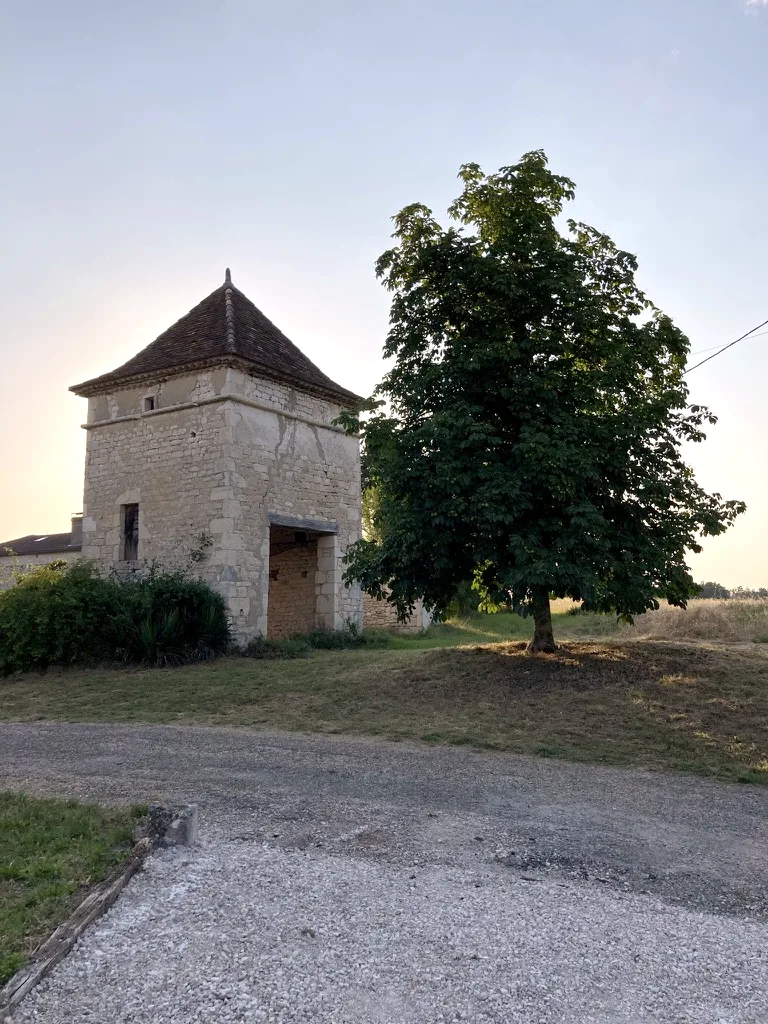
The dovecotes of Quercy: a short guide to reading the landscape
Raised on pillars, built as towers or topped with stepped roofs, dovecotes dot the Quercy countryside. Discover their history, features and where to see them.

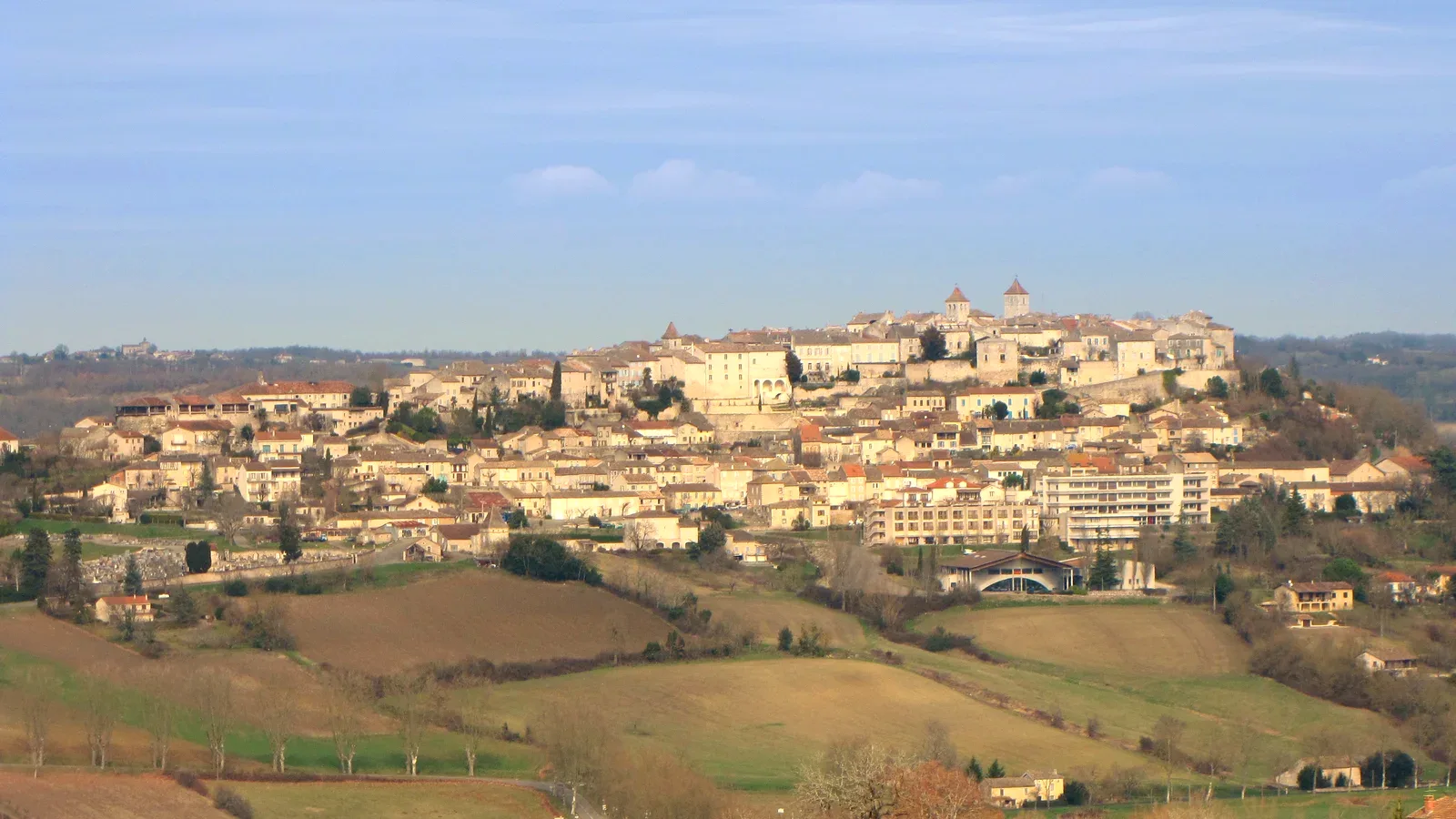
Perched on its hill, Lauzerte is visible from afar. Its white stone façades rise above the valleys of Quercy Blanc. Its name is thought to come from the Latin lucerna, meaning lamp: a town shining on the horizon. Listed among the Plus Beaux Villages de France since April 1990, it is especially lovely out of season, when its lanes grow quiet again.
The hill was once home to a Gaulish fortified settlement. In the late 12th century, the Count of Toulouse founded a castelnau here, a town protected by a castle. It was an immediate success. Around 200 building plots were given to new residents, drawn by the freedoms on offer. By around 1200, the town was taking shape along a main street, with a square inspired by the one in Montauban.
In the Middle Ages, Lauzerte became a busy trading centre and a source of grain for Cahors. The Hundred Years' War, the Wars of Religion and later the Fronde all left their mark. Royal troops captured the town in 1652. Its fine Gothic and Renaissance houses tell a different story, of prosperous merchants and magistrates.
It all starts here. Lined with arcades and houses dating from the 15th to the 18th centuries, place des Cornières measures around 35 metres by 30. It has always been a setting for markets, public announcements and performances. Look for the “Coin relevé”. Created in 1987 by artist Jacques Buchholtz, this artwork seems to lift a corner of the square like a page being turned.
Just next door, Saint-Barthélemy church brings together several periods. It has a 14th-century Gothic doorway, a 17th-century nave and chancel, and a 19th-century neoclassical façade.
The tourist office's heritage trail leads you from one treasure to the next:
The neighbourhoods beyond the old town complete the walk. Explore place du Salin, where the salt tax was collected, and faubourg des Tanneurs. Continue to place du Mercadiel, once home to great fairs, and the couvent des Carmes.
Lauzerte stands on the Via Podiensis, the route from Puy-en-Velay towards Saint-Jacques-de-Compostelle. The pilgrimage routes have been on the Unesco World Heritage list since 1998. As early as 1222, Notre-Dame hospital welcomed pilgrims and the sick. Today, walkers with backpacks still mingle with visitors on the Grand-Rue throughout the year.
The open-air market brings place des Cornières to life every Saturday, from 9 am to 1.30 pm. Lauzerte also lies within the Chasselas de Moissac grape-growing area and the melon du Quercy production area. Two good reasons to return in the warmer months.
Come on a Saturday morning in autumn or winter. Shop at the market beneath the arcades, then follow the Grand-Rue to the Barbacane for views across the hills. Stop at the tourist office to pick up a trail map and check guided tour times, which vary with the season.
Louroca welcomes you to Barguelonne-en-Quercy, close to Lauzerte, in the heart of Quercy Blanc.
Follow local news on our Facebook page
Raised on pillars, built as towers or topped with stepped roofs, dovecotes dot the Quercy countryside. Discover their history, features and where to see them.
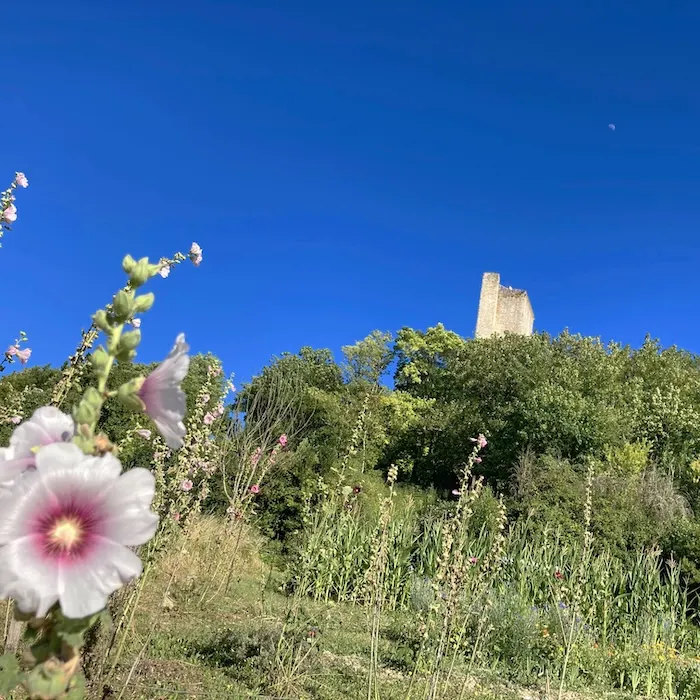
From Flaugnac to Montcuq, spend a day exploring white-stone villages, windmills and chapels on the Compostelle pilgrimage route. Follow the route step by step.

Approved on 26 October 2011, the Coteaux du Quercy appellation is 15 years old. Grapes, terroir, a thousand years of history and good places to taste it this autumn.