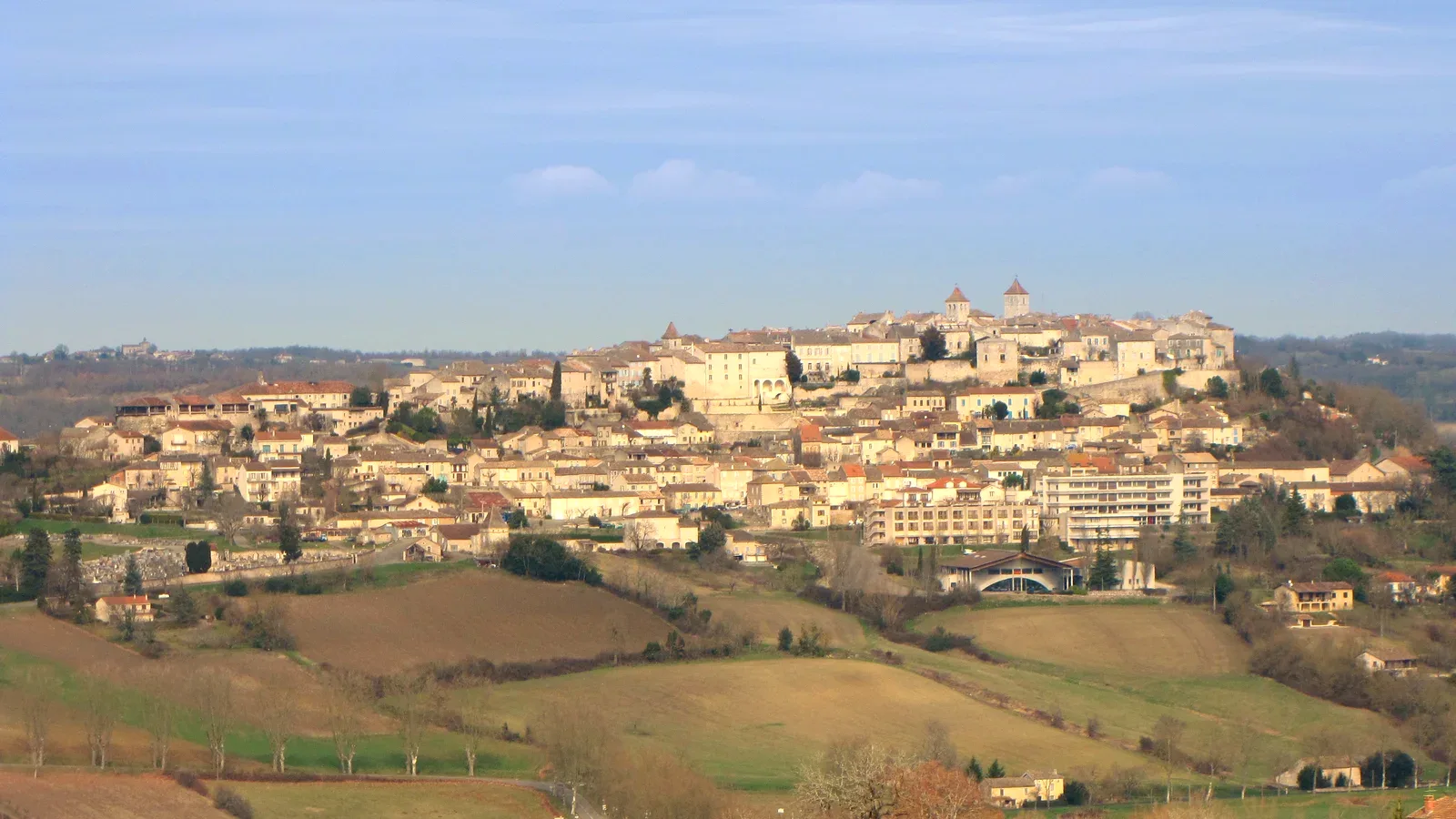
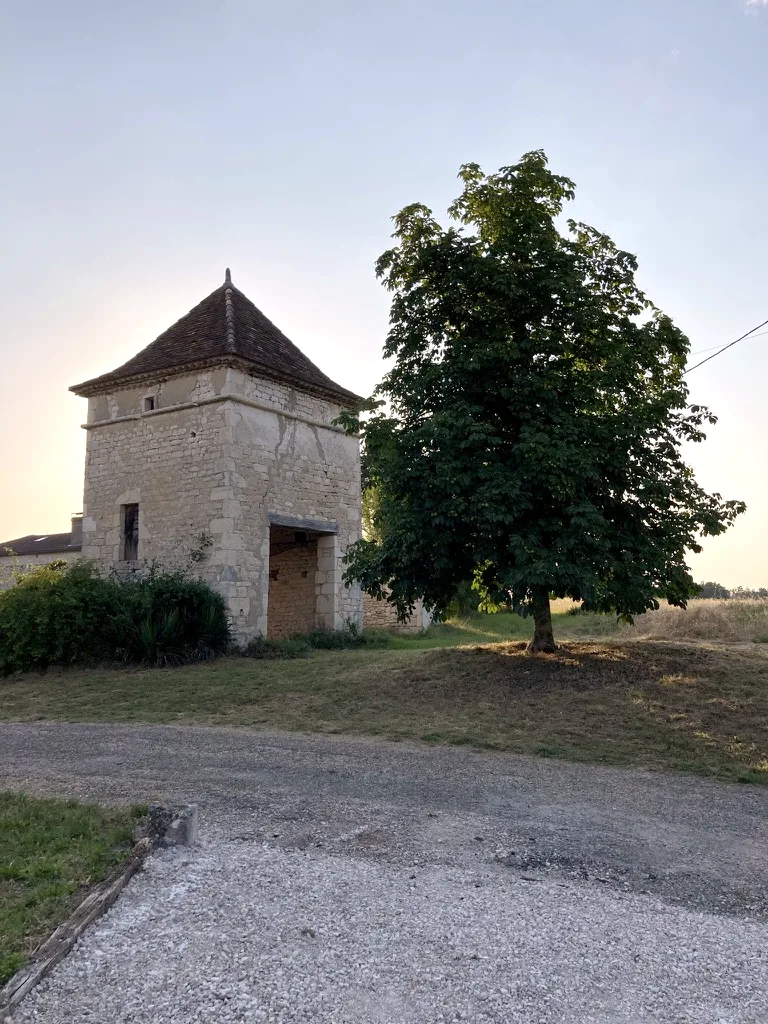
An almost black colour, dark fruit aromas and tannins that call for a hearty winter dish. Cahors wine has everything you need for festive meals. This malbec-based red from the Lot is also worth discovering at its source. Local winegrowers welcome visitors to their cellars all year round.
‘Black wine’, a very old story
Vines have grown in the Lot valley for centuries. According to Lot Tourisme, the earliest evidence of wine production dates back to the 7th century. In the Middle Ages, wine travelled downriver by barge to Bordeaux, then on to England and northern Europe. Its deep colour earned it a lasting nickname: ‘vin noir’, or black wine to English merchants.
Malbec later spread around the world. Introduced to Argentina in the 19th century, it became the country’s signature grape. Yet Cahors remains its historic birthplace. The appellation proudly celebrates this heritage under the ‘Cahors Malbec’ banner.
One appellation, three main terroirs
Cahors has held AOC status since 15 April 1971. The rules are clear:
- Red wine only
- At least 70% malbec, also known as côt or auxerrois in the Quercy
- Merlot and tannat may complete the blend
- 45 communes in the Lot, on both sides of the river
The variety comes from the soil. On the alluvial terraces close to the Lot, wines tend to be fruity and supple. On the clay-limestone slopes and the higher, stonier limestone plateaux known as causses, yields are lower. The wines gain structure and ageing potential. Tasting a terrace-grown malbec followed by a causse-grown malbec at the same vineyard is the best geography lesson the Lot can offer.
Where to taste?
Wine estates usually welcome visitors by appointment or on open days. Winegrowers with the ‘Vignobles & Découvertes’ label offer a full visitor experience. The Cahors destination gained this label in 2013. Visits include vineyard and cellar tours, guided tastings and sometimes bike rides between the vines.
A few ideas to help you plan your day:
- In Cahors, the Cahors Malbec Lounge, place François-Mitterrand, introduces you to the appellation’s wines in the town centre. It is just a short walk from the shops and market.
- Parnac is home to Côtes d'Olt, the appellation’s only wine cooperative.
- Heading west, the road follows the bends of the Lot through Douelle, Luzech, Albas and Vire-sur-Lot to Puy-l'Évêque. This village rises in tiers above the river, with its keep and former barge port.
- On the causse, several wine châteaux south of Cahors open their doors to visitors, half an hour from the Quercy Blanc.
In November and December, several estates hold tastings and Christmas markets. The Office de tourisme Cahors Vallée du Lot lists them week by week in its events calendar.
Which dish with which Cahors?
Cahors pairs beautifully with the cooking of south-west France. Lot Tourisme recommends serving it with:
- farm-reared Quercy lamb
- duck in all its forms, from confit to breast
- Quercy black truffles, in season from December to March
- slow-cooked dishes and full-flavoured cheeses
A young, fruit-led Cahors goes well with grilled meat or charcuterie. Save a wine with a few years of age and softer tannins for game or a dish with a rich sauce.
Good to know
- Book your visit ahead: in winter, many estates welcome visitors by appointment only.
- Choose a designated driver, or use the spittoon. It is perfectly acceptable at a tasting.
- The Office de tourisme Cahors Vallée du Lot can point you towards estates that are open: 05 65 53 20 65.
Our tip: spend Wednesday or Saturday morning at Cahors market, then visit a wine estate in the afternoon. Head back through the Lot valley at sunset.
After a day among the vines, Louroca, in Barguelonne-en-Quercy, awaits you in the peaceful Quercy Blanc.